
 Medically Reviewed By
— Written By
— Published on October 29, 2026
On this page
The quality of a product cannot be assessed by the price of a biological product. Two exosome preparations may report similar particle counts yet differ in their composition, purity, testing methods, and supporting documentation. Understanding these differences is essential when evaluating products for research.
The quality of a product cannot be assessed by the price of a biological product.
Scientific guidance from the International Society for Extracellular Vesicles highlights the importance of using appropriate methods to characterize extracellular vesicles. Particle counts alone cannot confirm the identity or purity of every particle in a sample. [1]
The same principle applies when comparing the cells and exosomes price. Biological source, production methods, quality testing, batch consistency, storage, and documentation can all influence the final cost. Each factor provides useful information about how a product was prepared and whether its stated specifications meet the requirements of a research study.
This guide explains the key factors that drive the price of cells and exosomes, how to assess product quality, and outlines practical ways to compare research products using evidence rather than price alone.
Cells and Exosomes Are Different Products
It is important to know what is being compared before comparing the prices.
Cells are living units. They carry out many of the processes that keep living things functioning. Depending on the cell type, researchers may study their growth, signals, or role in different biological systems.
Exosomes are tiny, membrane-covered particles released by cells. They carry biological material, including proteins, fats, and genetic material. Scientists study them to understand how cells communicate with one another.
There is also an important scientific distinction. Exosomes are one type of extracellular vesicle (EV). Researchers cannot always confirm that every particle in a preparation is an exosome simply by measuring its size. Scientific guidance therefore recommends careful naming and testing of these materials. [1]
Production costs are affected by these differences. Living cells may need controlled growth conditions, careful collection, and checks on their identity and condition. Exosome production adds other steps, including collecting the fluid around cells, separating the particles, and checking what else remains in the sample.
The two products need different quality measures, too. A cell count cannot tell you everything about a cell preparation. An exosome particle count cannot tell you everything about an exosome preparation.
Seven Factors That Affect the Price of Cells and Exosomes
1. Biological source
The source of the material affects the work needed to produce and verify it.
Cells may come from donor tissue or established cell lines. Different sources can have different collection, screening, growth, and record-keeping requirements. Some cell types are also harder to maintain than others.
Exosome production begins with cells that release extracellular vesicles. The source cells and their growth conditions can affect the resulting preparation.
A less accessible and costly process does not make a source automatically better. Its worth depends on whether it fits the research question or the supplier can document its origin.
Ask which cell type or source was used, what screening was performed, and which records are available.
2. Cell growth and material collection
Living cells need suitable growth conditions. Depending on the cell type, production may require controlled temperature, growth media, clean equipment, trained staff, and regular monitoring.
Researchers must also consider how the cells grow and when the material is collected. Changes in growth conditions can affect the resulting biological material.
Exosome production adds another step. The surrounding fluid is collected so that extracellular vesicles can be separated from it. The amount recovered may vary with the source cells and production process.
These activities require time, equipment, supplies, and staff. If a process produces less usable material, the cost per finished unit may increase.
The starting material is only one part of the expense. The work required to produce a consistent, well-documented product also matters.
3. Separation and purification
Exosome preparations may contain proteins, other particles, and material from the growth medium. Separation methods help researchers collect extracellular vesicles while reducing unwanted material.
Common methods include ultracentrifugation, size-exclusion chromatography (SEC), and tangential flow filtration (TFF). They work in different ways and have different strengths and limits. Some workflows combine methods to meet their research needs. [1]
Ultracentrifugation uses very high speeds to separate material. SEC separates components based on how they move through a porous material. TFF uses membranes to concentrate and separate material.
The choice depends on the starting sample, the volume being processed, the desired separation, and the intended use.
Labour and equipment costs increase due to more processing. However, a longer process does not guarantee a better product. The method needs to be appropriate, and its results must be supported by suitable testing.
Ask how the material was separated and what evidence supports the claims about purity and particle identity.
4. Quality testing
Testing helps establish whether a product matches its stated specifications.
For cell products, relevant checks may include cell identity, cell count, viability, purity, and contamination. The exact requirements depend on the product and its intended use.
For exosome preparations, researchers may need information about particle concentration, size distribution, EV-associated markers, and possible contaminants. Different tests answer different questions, so a single measurement cannot describe the entire preparation. MISEV2023 highlights the need to assess both EV-related features and non-EV material that may remain in a sample. [1, 2]
These checks require suitable equipment, validated or otherwise well-supported methods, trained staff, and records. Additional tests may be needed when one method cannot answer a particular question.
This work can affect the final price, but the number of tests is not the only thing that matters. Buyers should also consider whether the methods are suitable and whether the results are available for review.
Ask the supplier which tests were performed, what the results showed, and whether the data relate to the specific batch being supplied.
5. Batch consistency
A batch is a defined quantity of product made during a particular production run. Batch testing helps determine whether that material meets the supplier’s stated specifications.
Consistency matters because researchers need to understand whether differences in their results come from the experiment or from changes in the biological material.
Source material, growth conditions, collection, processing, and storage can all affect product properties. Clear production records and suitable testing help researchers assess these differences. [1]
A certificate of analysis (CoA) may report selected test results for a particular batch. Its usefulness depends on which tests it includes and how clearly the results are presented.
A low-priced product can become costly if it does not meet the study’s requirements and experiments have to be repeated. A higher-priced product, however, is not automatically more consistent.
Compare the available batch records rather than relying on a supplier’s general quality claims.
6. Storage, packaging, and shipping
Biological products may need specific storage and transport conditions to maintain their stated properties.
Some cell products require frozen storage and controlled shipping. Exosome preparations may also have temperature and handling requirements that depend on their formulation and supporting stability data.
Packaging, temperature monitoring, shipping time, and handling procedures can add to the final cost. International orders may involve extra transport or import expenses.
Freeze-drying, also called lyophilization, removes water under controlled conditions. It may change how a product is stored and handled, but it does not automatically prove longer stability or better performance. Those claims need supporting data.
Before comparing two quotes, check the storage instructions, shipping conditions, packaging, and any additional charges.
7. Documentation and supplier support
The product itself is only part of the information a research buyer needs.
Useful documents may include a product specification sheet, certificate of analysis, batch number, storage instructions, and relevant source information. Other records may be needed depending on the product and intended use.
A CoA should identify the tests performed and report the relevant results. It should not be treated as proof of every possible quality claim.
For example, a report showing particle concentration does not establish that all measured particles are exosomes. A cell count does not establish cell identity or viability.
Suppliers may also differ in how clearly they explain product specifications and answer technical questions. These differences can affect the amount of work a buyer must do before using a product.
Ask for the documents relevant to your study before placing an order. Clear records help you judge whether the product meets your requirements.
Why a Higher Count Does Not Always Mean Better Value
Particle counts and cell counts are easy to compare, which makes them useful starting points. They are not complete measures of quality.
Consider two hypothetical exosome preparations. Preparation A contains 10 billion measured particles per vial. Preparation B contains 6 billion. A costs more, but B provides more complete characterization data and meets the requirements of the planned experiment.
The higher count in A does not automatically make it the better choice. The measurement may include particles other than EVs, and the count alone says little about the preparation’s composition or suitability.
This does not mean B is always better. If the research requires a larger quantity and A has the necessary supporting evidence, A may offer better value. The decision depends on the study, not the headline number.
The same principle applies to cells. More cells in a vial do not automatically mean better value if the buyer also needs evidence of viability, identity, and consistency.
The useful comparison is the cost of obtaining the amount of material that meets the study’s requirements, backed by suitable quality data.
For a simple example, suppose a hypothetical vial costs ₹12,000 and contains 10 billion measured particles. The price is ₹1.20 per million particles. A second vial costs ₹9,000 and contains 6 billion particles, making its price ₹1.50 per million particles.
These calculations compare the stated particle counts only. They do not account for purity, identity, usable quantity, or research suitability. They should not be used alone to select a product.
How to Compare Products Before Buying
Use the same checklist when reviewing different suppliers.
| Comparison point | What to ask |
|---|---|
| Source | Which cells or biological source were used? |
| Product identity | What evidence supports the stated identity? |
| Quantity | Is the count per vial, per millilitre, or per batch? |
| Testing | Which tests were performed, and are results available? |
| Purity | How was unwanted material assessed? |
| Batch records | Can the supplier provide batch-specific documentation? |
| Storage | What conditions are required before and after delivery? |
| Total price | Are packaging, shipping, and other charges included? |
| Research fit | Does the product meet the study’s requirements? |
Apply these questions to every quote. Do not assume that two products are equivalent because they share a name or report similar counts. Review their specifications and supporting records first.
Find the Right Research Product for Your Lab
Understanding your study’s needs is the first step to choosing the right product. When comparing the cells and exosomes price, look beyond the quoted amount. Check product specifications, available batch records, testing methods, storage requirements, and total delivered cost.
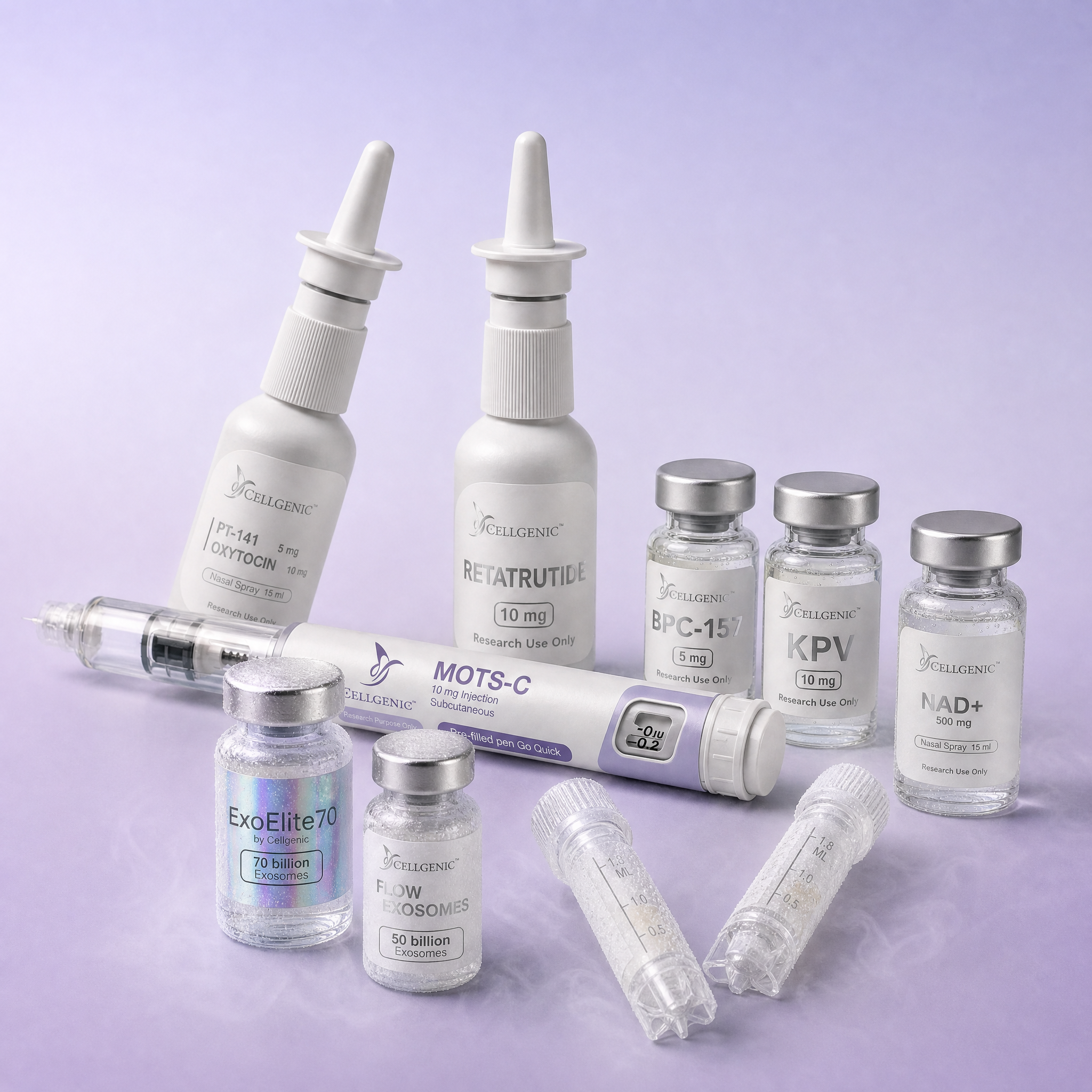
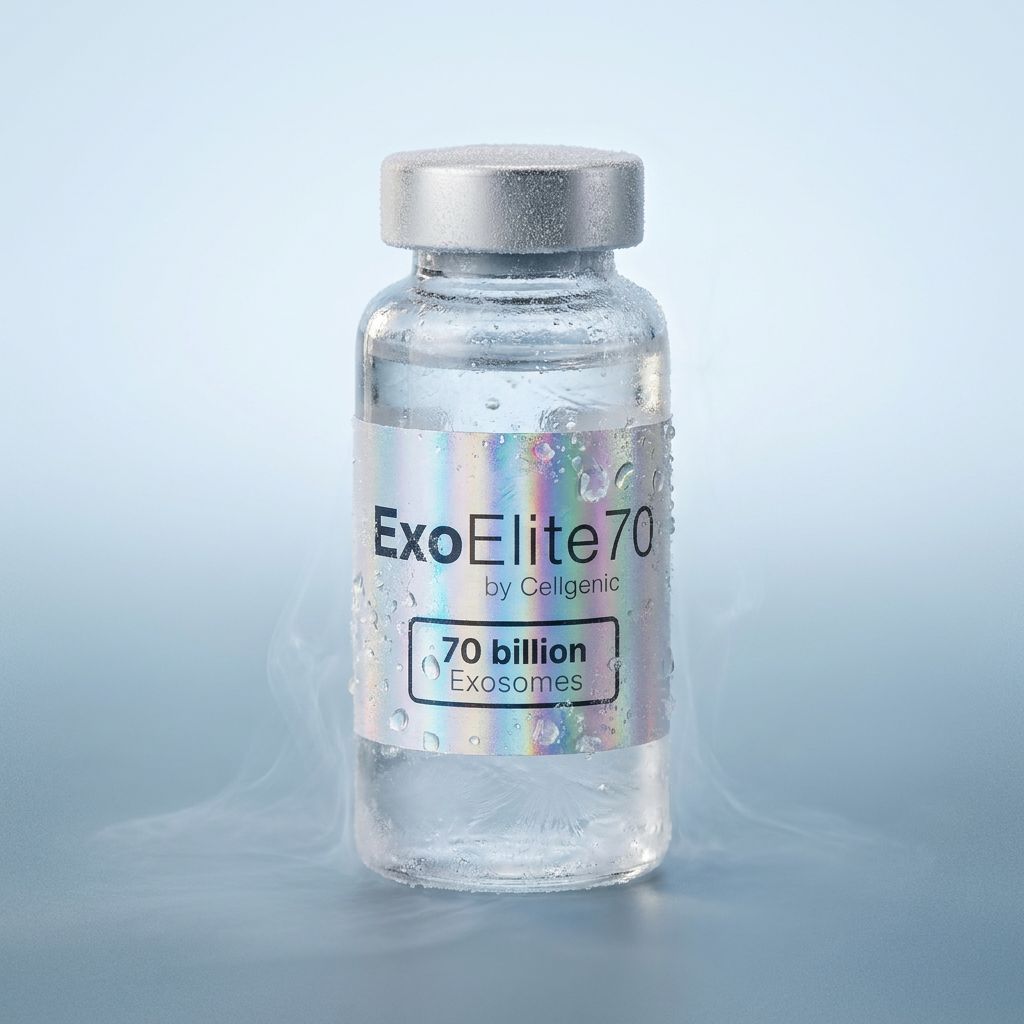
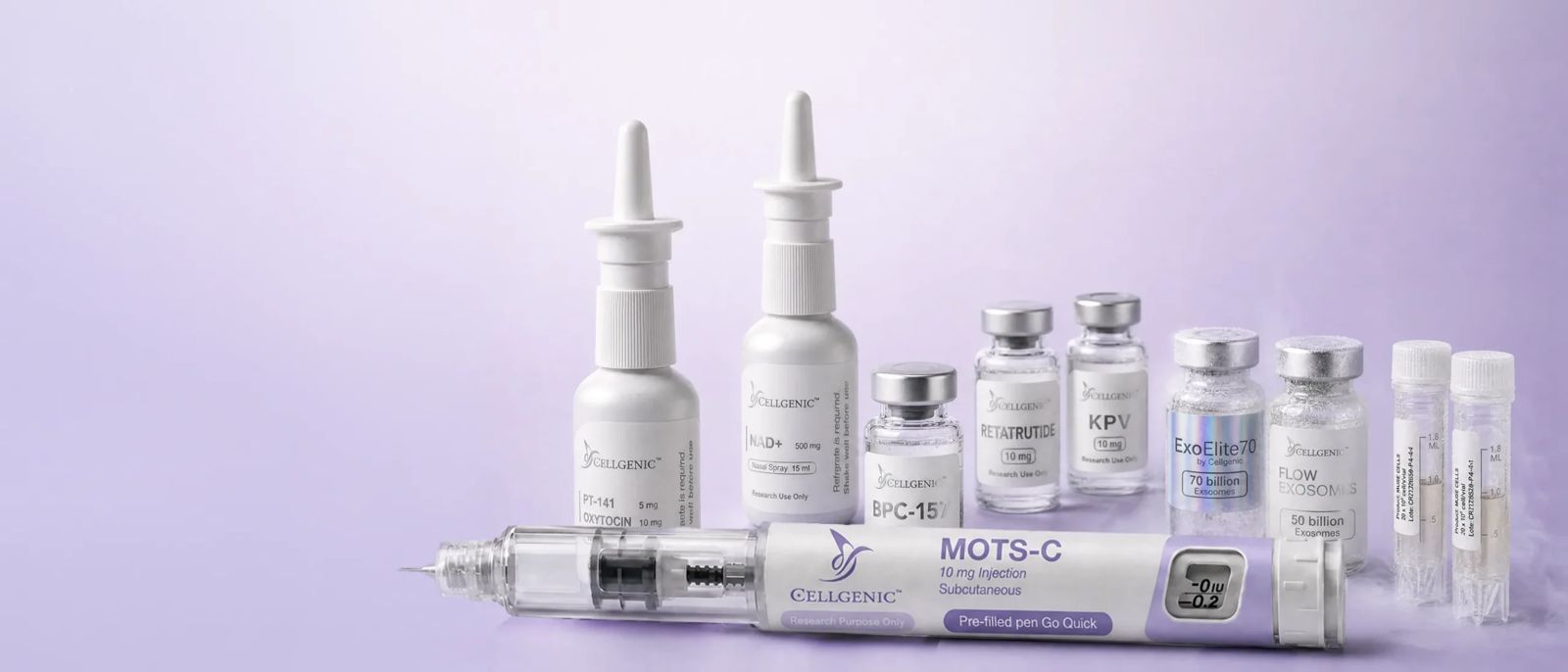
Cellgenic lists research-grade cellular products, including cell products and exosome preparations, in its online catalogue. Its website also provides access to product information and certificates of analysis for qualified providers.[3, 4]
Visit the Cellgenic product catalogue to explore available research products. Compare the listed details with your laboratory’s requirements, and contact the Cellgenic team if you need clarification about product specifications or supporting documents.
Looking for a specific cell type or exosome preparation? Share your research requirements with the team to help identify relevant product options before placing an order.
Frequently Asked Questions
The main factors include biological source, production methods, processing, quality testing, batch requirements, storage, and shipping. Their relative importance varies by product.
Exosome production may require cell growth, collection of surrounding fluid, separation, concentration, and particle characterization. Recovery rates and testing needs can also affect the final price.
No. Particle count alone cannot establish particle identity, purity, or suitability for research. Buyers should also review characterization results and the measurement method.
Compare the product specifications, quality data, batch records, storage requirements, and total delivered cost. Choose a product that meets the study's needs rather than relying on price or quantity alone.
Stability affects how a product must be stored, transported, and handled. Products that require stricter temperature control or specialised packaging may have higher delivery and handling costs.
References
- Welsh, J. A., et al. (2024). Minimal information for studies of extracellular vesicles (MISEV2023): From basic to advanced approaches. Journal of Extracellular Vesicles.
- U.S. Food and Drug Administration. Consumer Alert on Regenerative Medicine Products Including Stem Cells and Exosomes.
- Cryoviva Life Sciences. Exosome Therapy in India 2026: What Is Available, What Is Still Under Research, and What to Ask Before Considering Treatment.
- BioInStem. Exosome Therapy.
- Stem Cell Care India. What Determines the Cost of Stem Cell Therapy in India?