
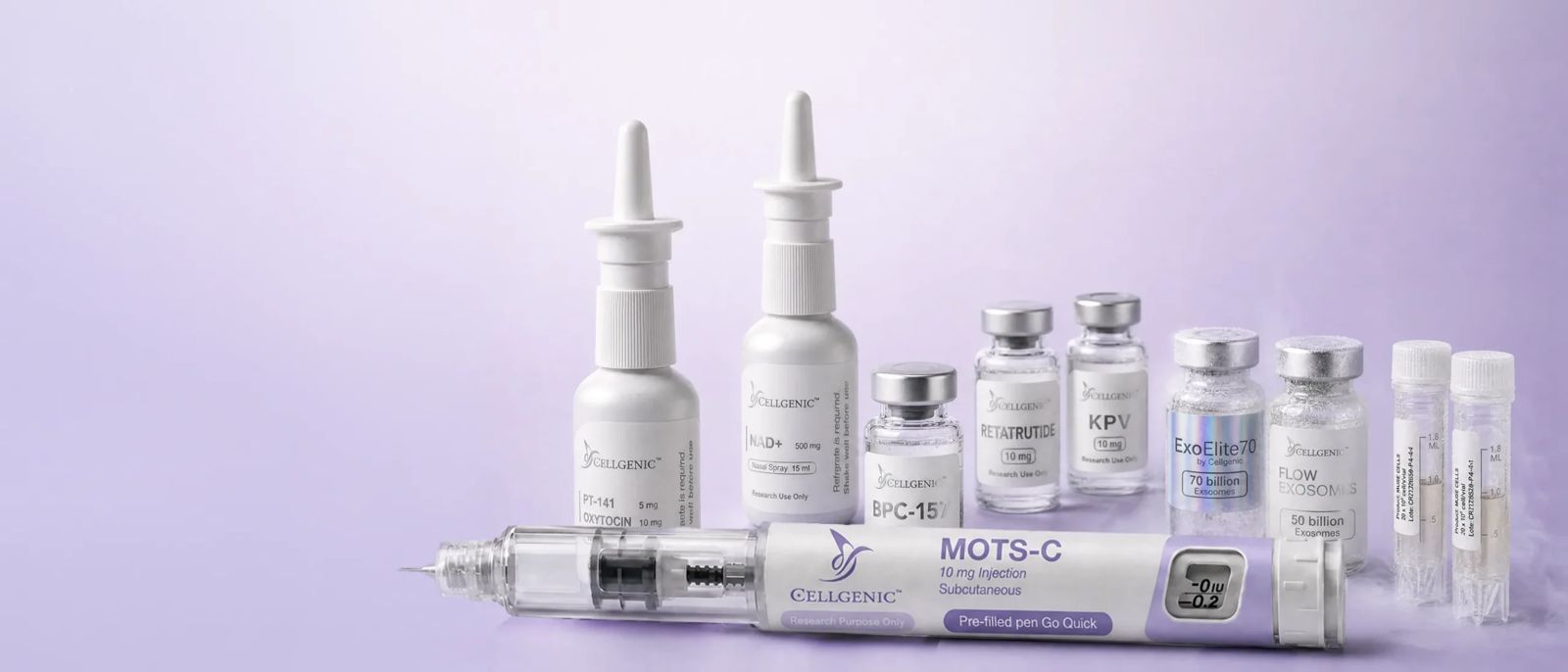
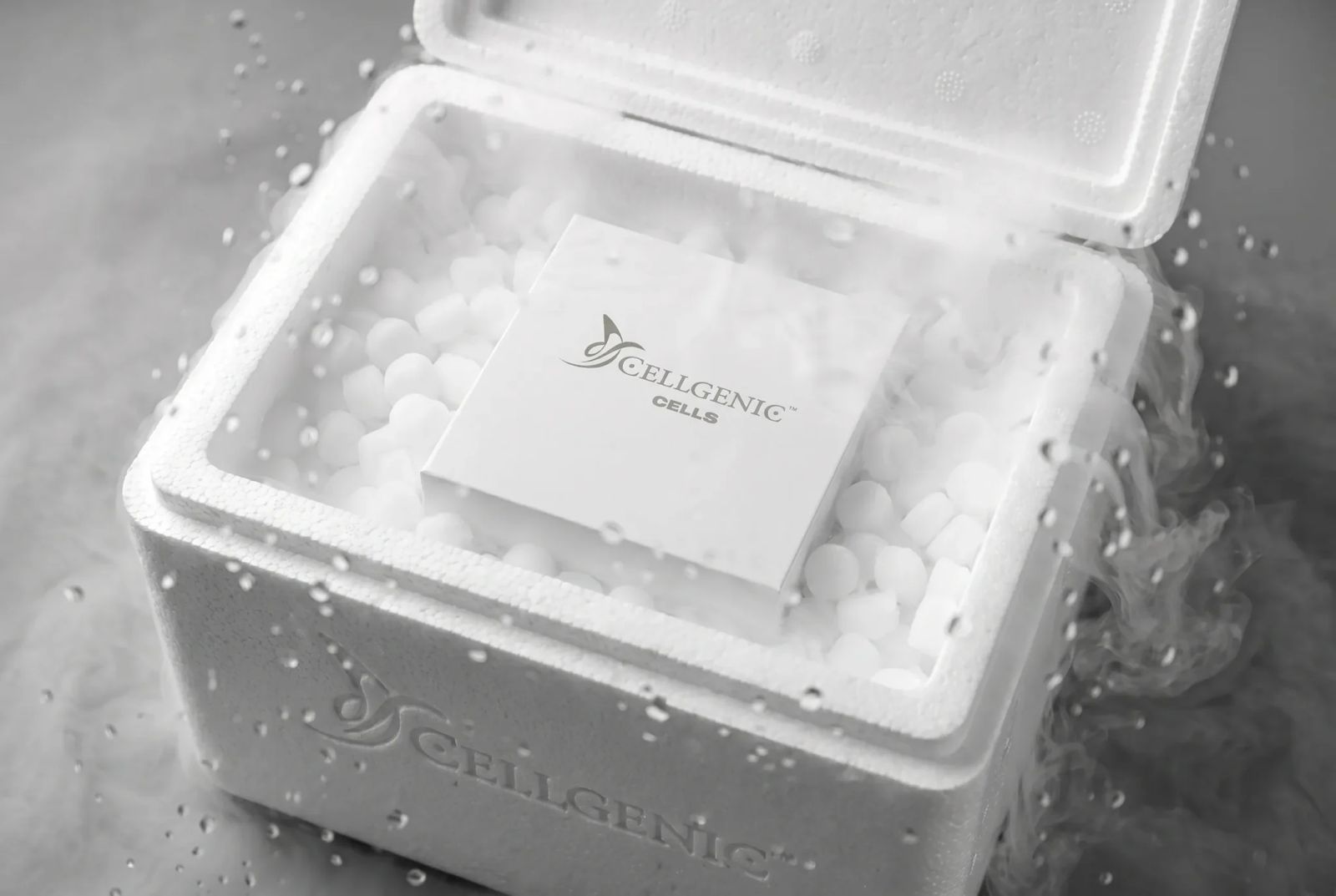

Exosomes vs PRP: What the Difference Means for Your Practice

On this page

Exosomes vs PRP

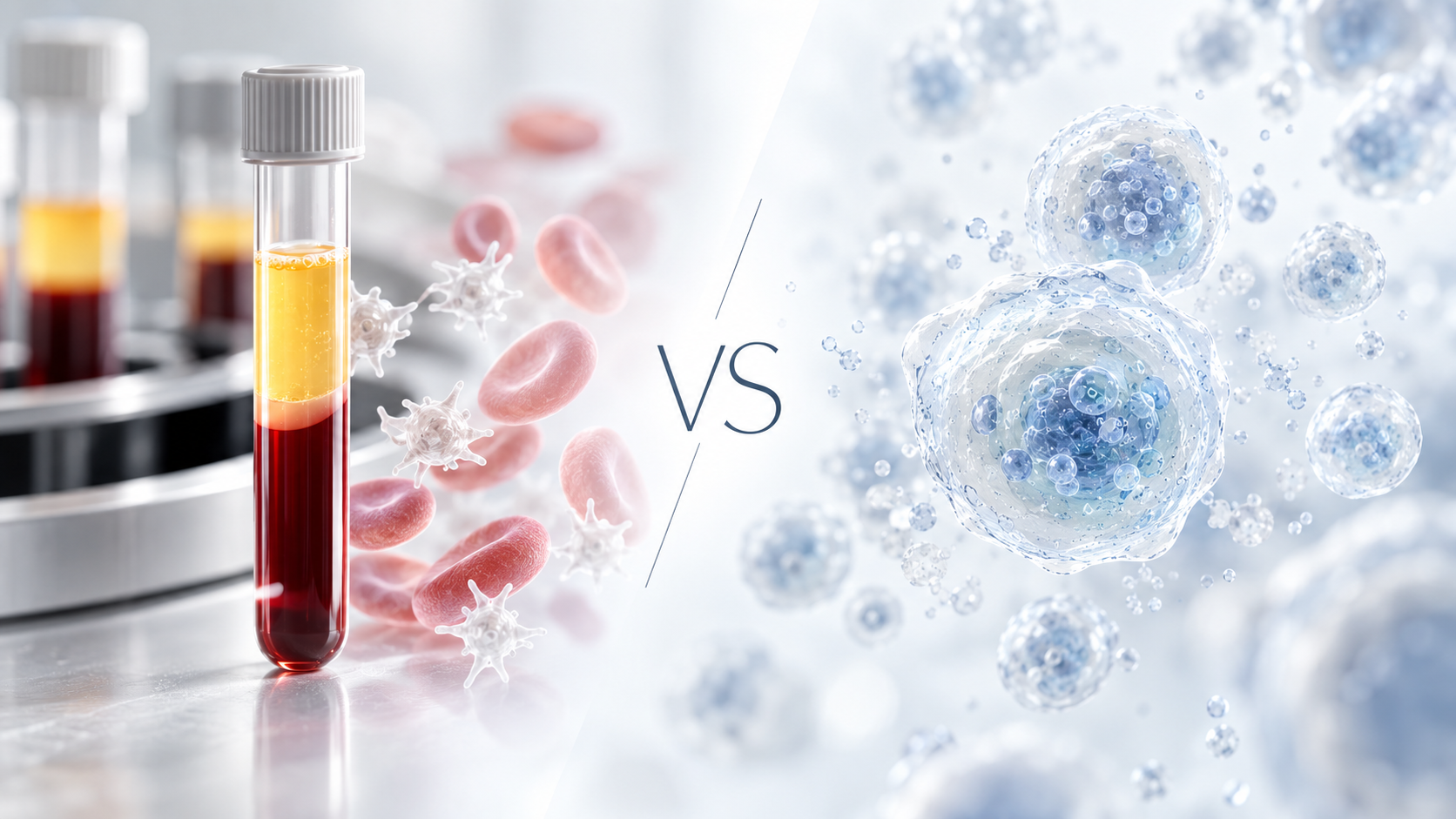
For a practice weighing exosome-based protocols alongside PRP, the question that actually decides a purchase isn’t which one performs better. Neither product’s current evidence base is built to settle that question, and it isn’t the one a practice needs answered before ordering. PRP and Cellgenic‘s exosome products sit in different regulatory categories. They move through different supply chains. They ask different things of staff, storage, and documentation. Understanding where those differences fall, and where they don’t, is what actually shapes the buying decision.

This comparison isn’t built toward a predetermined answer. On several of the axes below, PRP is the simpler, more self-contained option, and that’s worth saying plainly. What follows is a comparison on the terms a practice actually plans against: sourcing and regulatory position, chair time, batch consistency, inventory, and consent.
Both products are already on most practices’ radar for the same reason. Patients are asking about them, and staff are fielding those questions without always having a clean answer for what separates one from the other operationally. That gap is usually where the purchasing decision stalls, not on the science, which most providers reading this already know, but on what each product actually asks of the practice day-to-day.

The Regulatory and Sourcing Divide

PRP is autologous by definition: drawn, processed, and reintroduced within the same clinical encounter, using the patient’s own blood. That same-patient, same-day loop is why PRP has typically been practiced under the physician’s own procedural authority rather than as a separately supplied product. The material never changes hands, and it never leaves the patient’s own biological identity. 

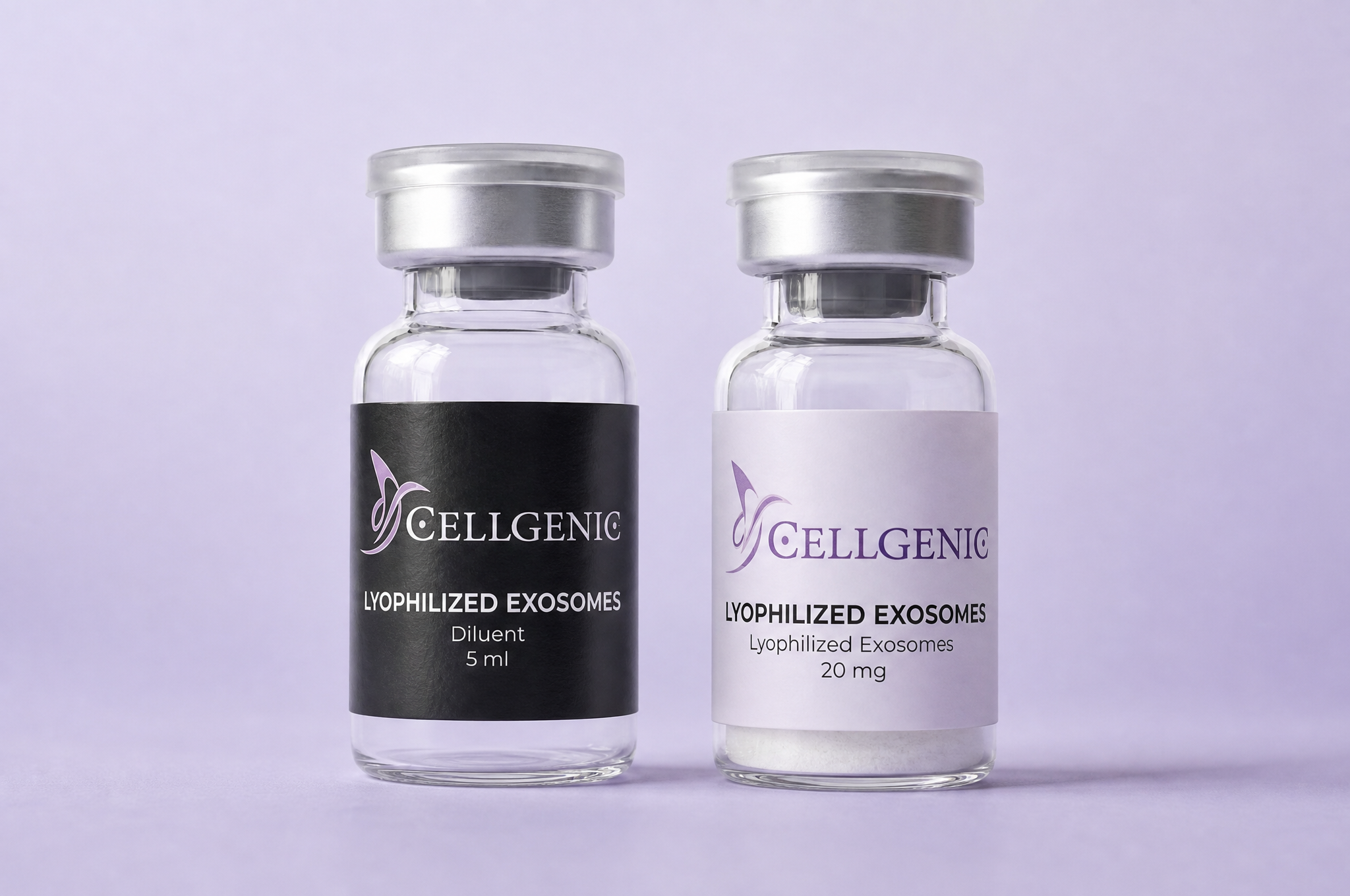
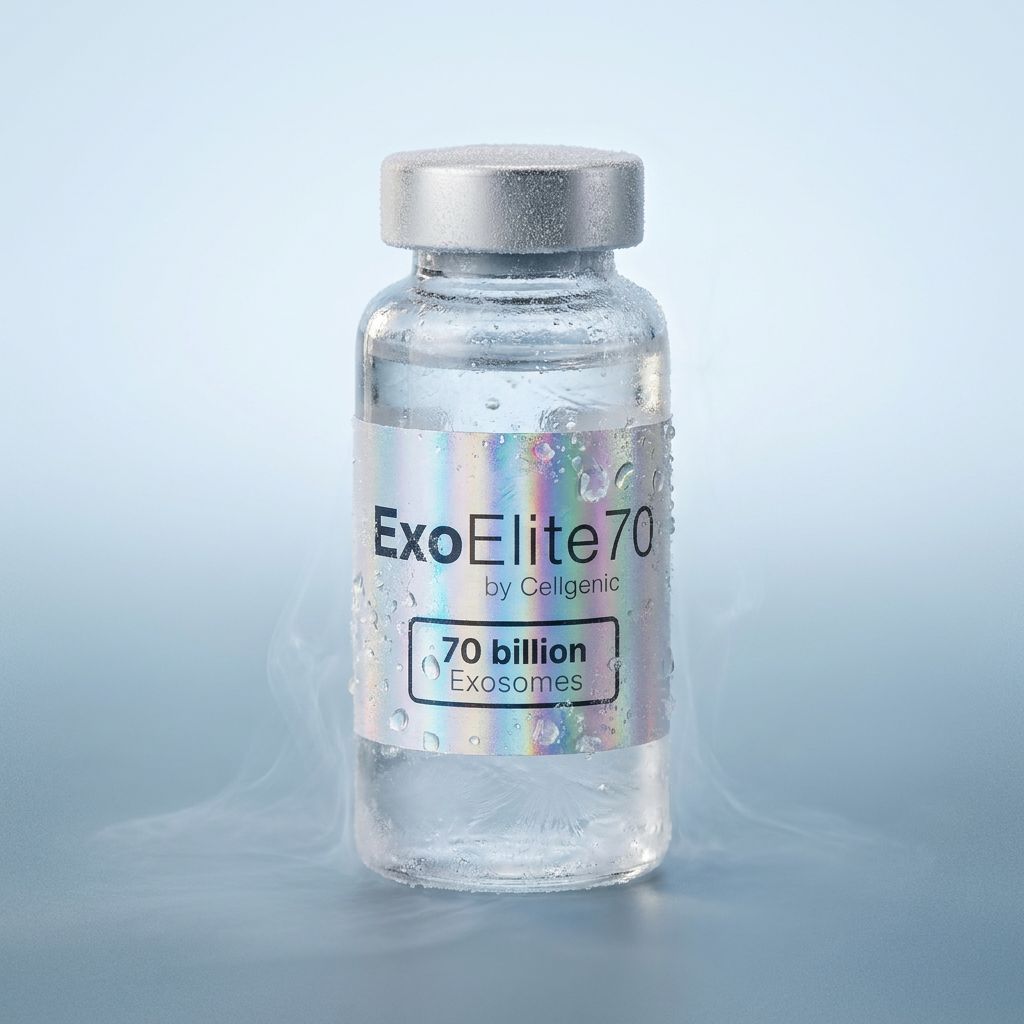
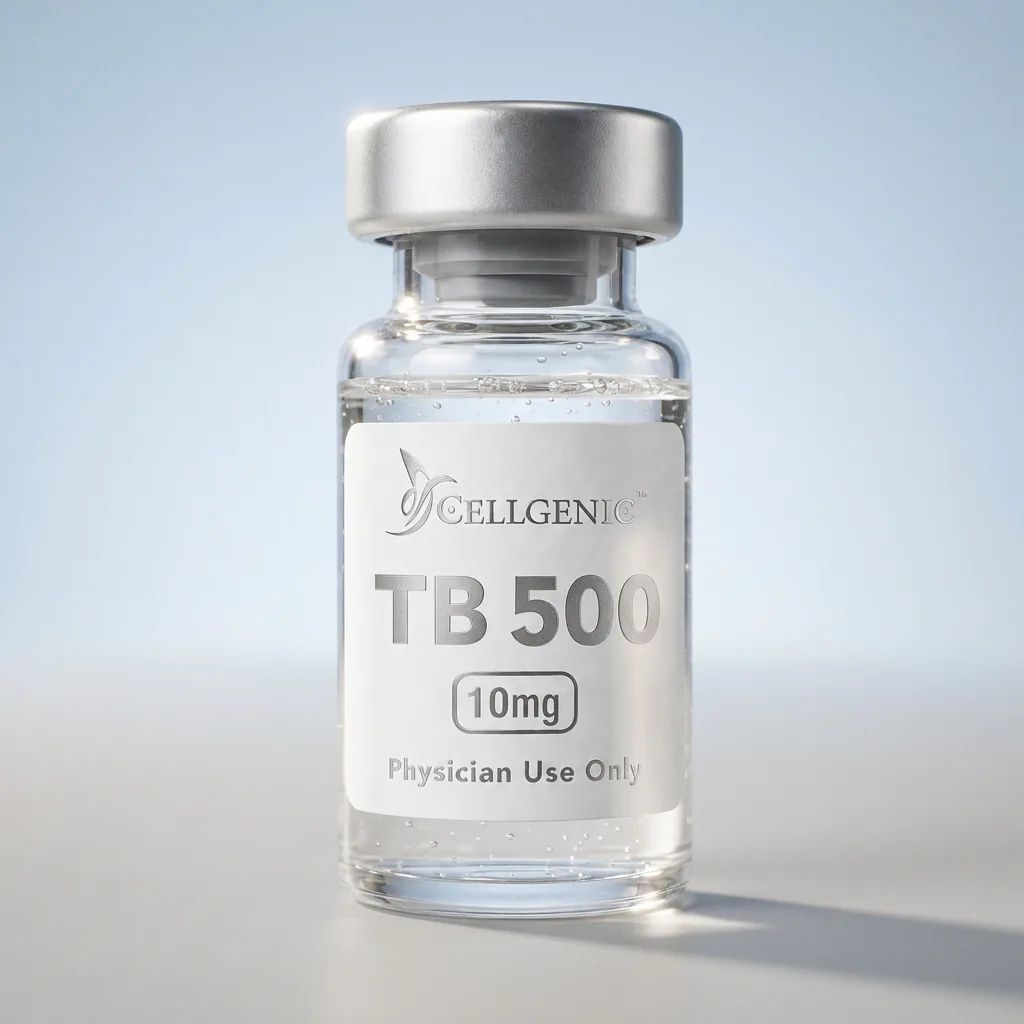
Exosome products occupy a different position. They’re allogeneic, and they arrive at the practice already sourced, processed, and manufactured. That means they’re handled under a different compliance model: full compliance with applicable regulations governing a supplied biologic product, rather than the practice’s own procedural exemption. Cellgenic’s exosome products are supplied for research use only and for handling exclusively by licensed, qualified professionals, consistent with the appropriate regulatory frameworks and, where applicable, IND pathways in each of the markets we serve. [3]

The practical upshot is that a practice ordering an exosome product is opting into a supplier relationship. It means verifying sourcing, retaining documentation, and handling a product whose compliance obligations sit with the manufacturer as much as with the practice. A practice running PRP is opting into procedural self-sufficiency instead, with the regulatory footprint of the individual physician’s own scope of practice. Neither position is inherently more burdensome. They’re simply different obligations, and a practice should know which one it’s taking on before the first order or the first draw.
For a closer look at how that regulatory position compares to cellular products. For where exosomes sit relative to Cellgenic’s other supplied-biologic categories, see our breakdown of [growth factors, secretome, and PDRN]. A fuller look at where regulation currently stands for exosome products is available in our [regulatory status overview]

Chair Time and Staffing

PRP requires an in-house draw, centrifugation, and prep. That means phlebotomy competency, a centrifuge, disposables, and turnaround time built into the visit itself. It’s chair time the practice is staffing for on every single case, regardless of volume, and it’s a fixed cost of the autologous model that doesn’t go away with experience or better equipment.
Exosome products arrive already processed. There’s no draw, no spin cycle, no built-in wait. The product is ready at receipt, and that changes what the visit requires of staff. For a high-volume aesthetic or orthopedic practice, that difference compounds. PRPs’ per-patient prep time scales roughly linearly with volume. An exosome protocol’s chair-time cost stays closer to fixed, more comparable to any other point-of-care application on the schedule.
Staffing skill requirements differ too. PRP calls for a team member comfortable with venipuncture and a centrifuge protocol on-site, every visit. Exosome handling shifts that skill requirement toward inventory management and cold-chain discipline instead. Different training, different failure points. Both are worth mapping against whoever on staff will actually own the process, before it’s added to the schedule.

Batch Consistency

PRP’s biggest operational variable is the patient. Platelet count, concentration, and yield are a function of the individual’s own blood, so the input material differs by case, and staff calibrate technique around that variability at the point of draw rather than around a documented, standardized product specification. A comparative analysis of PRP preparation variability found meaningful inconsistency across preparation methods and devices, which is part of why PRP protocols are difficult to standardize across a multi-provider practice.[4] 
Exosome products come from a controlled production run. Each lot is manufactured and characterized against published extracellular vesicle standards such as MISEV2023, the current consensus guideline for how exosome-class products are characterized, then made verifiable by lot number through Cellgenic’s certificate-of-analysis process rather than by the individual patient in the chair. That shifts consistency from a per-patient variable to a per-lot one. It’s a documented, referenceable production standard rather than a case-by-case draw.
For a practice running standardized protocols across multiple providers or locations, that distinction matters less as a philosophical point and more as an operational one. What one provider draws from one patient on one day isn’t the same starting material another provider is working from in the next room, and for a multi-site group trying to keep protocols aligned across locations, per-patient variability is a harder thing to standardize against than a documented lot spec.[5] 

Inventory and Shelf Life

PRP carries no inventory burden because there’s nothing to hold. It’s made fresh, per patient, at the point of care, and it doesn’t exist as a stocked item between visits. There’s no cold-chain management, no expiry tracking, no reorder cycle to plan around. The supply chain, in effect, is the patient.
Exosome products invert that. They’re a stocked item, held under defined storage conditions, dated, and tracked by lot and expiry. The practice is now managing inventory the way it would any other supplied clinical product, with COA documentation and storage protocol as part of that management rather than an afterthought. That’s a real operational shift for a practice used to PRP’s zero-inventory model, worth planning for before the first order arrives rather than after.
The shift cuts both ways, though. Holding inventory also means a practice isn’t dependent on a same-day draw to offer an exosome-based protocol. A patient can be scheduled with the product already on hand, rather than the visit being contingent on a successful draw that day. Whether that trade-off favors a given practice depends largely on visit volume and how much storage and administrative capacity it already has in place.

Consent and Documentation

PRP consent is, for most practices, a known quantity. It covers an autologous procedure using the patient’s own material, with language most providers already have in place and rarely need to revisit.
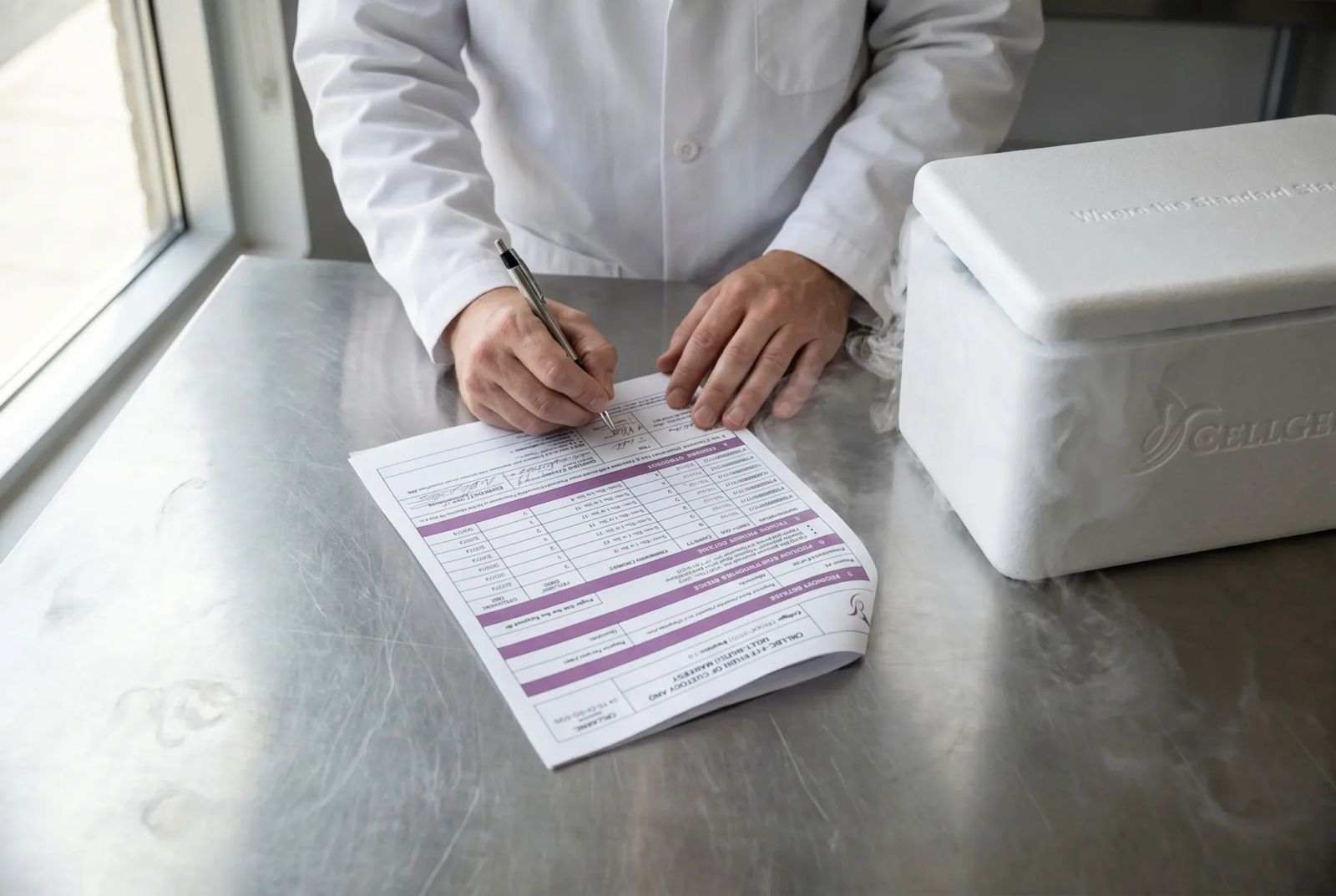
Exosome products change what consent needs to cover. Because the product is allogeneic and sourced from outside the patient, informed consent needs to additionally address provenance, sourcing, and the fact that the product is supplied for research use and professional handling. That’s separate from, and in addition to, whatever consent language a practice already uses for autologous procedures. Documentation follows the same logic. A practice needs to retain COA and lot records for every unit administered, not just a procedure note, since the product’s chain of custody is now part of the clinical record in a way PRP’s never was.
Practices that already run supplied-product protocols elsewhere in the business, injectables and implants being common examples, will recognize this documentation pattern. For a practice that’s only ever worked with autologous material, it’s a new administrative habit to build. Not a difficult one, but one worth setting up correctly from the first order rather than retrofitting later.

Where Each Model Still Wins

PRP’s advantages are mostly structural. It requires no supplier relationship, no inventory planning, and no lot documentation. The practice is fully self-contained, sourcing its own input material at the point of care every time. For a practice that values not depending on an outside supply chain, or one running lower visit volume where the fixed overhead of managing a supplied product is harder to justify, that self-containment is a genuine advantage.
Exosome products earn their place on the other axes. Staffing time that doesn’t scale with volume. A documented, referenceable production standard instead of per-patient variability. A regulatory position built for a supplied product rather than a borrowed procedural exemption. Neither model displaces the other across every axis a practice plans against, and for most practices, the more useful question isn’t which one to choose but which axes matter most to how they’re actually built to operate, and increasingly, whether the two belong on the same protocol menu rather than in competition with each other.

Frequently Asked Questions

Most practices we work with aren't choosing between them. They're deciding where each fits within a broader menu. PRP tends to stay a same-day, self-contained procedure, while exosome products, because they arrive processed and lot-documented, tend to slot into protocols where standardization or scheduling flexibility matters more than in-house processing. This comparison is about how each is supplied and managed, not which belongs in which protocol.

The effect is mostly about scale. A single PRP draw and spin isn't a meaningful time cost for a low-volume practice. Where the difference compounds is at higher volume: a practice running multiple cases a day is staffing for that draw-and-spin cycle every time, while an exosome protocol's prep time stays close to fixed no matter how many patients are on the schedule.

The core addition is provenance. PRP consent covers an autologous procedure using the patient's own material, language most practices already have in place. Exosome consent needs to also disclose that the product is allogeneic, sourced and supplied from outside the patient, and provided for research use and professional handling. That's a distinct disclosure PRP consent was never built to cover.

Every Cellgenic unit ships with a certificate of analysis tied to its lot number, and the practice should retain that alongside the patient's procedure record. That's what makes a lot traceable after the fact, something PRP, made fresh per patient, has no equivalent for.

For a practice that isn't running high visit volume, yes, in the sense that PRP's lack of inventory, storage, and reorder overhead is a genuine structural advantage. There's no supply chain to plan around. That calculus shifts as volume increases and the fixed costs of managing a supplied product get spread across more visits, but at low volume, PRP's self-containment is hard to beat on logistics alone.

The underlying distinction, autologous procedure versus supplied allogeneic product, holds across the markets Cellgenic serves, but the specific requirements attached to each vary by country and are still evolving in several of them. [VERIFY: current regulatory citation per market (Mexico, Argentina, Colombia, Peru)] We'd recommend reviewing the applicable regulatory framework for your specific market before finalizing a protocol, and our resource on where regulation currently stands for exosome products covers this in more depth.

References

  1. Fitzpatrick J, Bulsara M, Zheng MH. The Effectiveness of Platelet-Rich Plasma in the Treatment of Tendinopathy: A Systematic Review of Randomized Controlled Clinical Trials. The American Journal of Sports Medicine. 2017;45(1):226–233. doi:10.1177/0363546516643744.

  2. Moraes VY, Lenza M, Tamaoki MJ, Falোপpa F, Belloti JC. Platelet-Rich Therapies for Musculoskeletal Soft Tissue Injuries. Cochrane Database of Systematic Reviews. 2013;(12):CD010071. doi:10.1002/14651858.CD010071.pub2.

  3. Chahla J, Cinque ME, Piuzzi NS, et al. A Call for Standardization in Platelet-Rich Plasma Preparation for Surgical Applications. Journal of ISAKOS. 2017;2(1):1–7. doi:10.1136/jisakos-2016-000053.

  4. Mazzocca AD, McCarthy MBR, Chowaniec DM, et al. Platelet-Rich Plasma Differs According to Preparation Method and Human Variability. Journal of Bone and Joint Surgery. 2012;94(4):308–316. doi:10.2106/JBJS.K.00430.

  5. Moraes VY, Etchebehere M, Suzigan BH, et al. Platelet-Rich Plasma in Orthopaedic Applications: Evidence-Based Review. Current Reviews in Musculoskeletal Medicine. 2019;12:1–9.

  6. Arora S, Doda V, Kotwal U, Dogra M. Cell-Based Therapies: Understanding Platelet-Rich Plasma and Its Clinical Applications. Asian Journal of Transfusion Science. 2011;5(2):153–160. doi:10.4103/0973-6247.83231.

  7. Pavlovic V, Ciric M, Jovanovic V, Stojanovic P. Platelet Rich Plasma: A Short Overview of Certain Bioactive Components. Open Medicine. 2016;11(1):242–247. doi:10.1515/med-2016-0048.

  8. [Authors to verify]. Variability in Platelet-Rich Plasma Preparations Used in Regenerative Medicine: A Systematic Review. Journal of Healthcare Engineering. 2022;2022:3852898. doi:10.1155/2022/3852898. Full textonlinelibrary.wiley

  9. Görmeli G, Görmeli CA, Ataoglu B, et al. Multiple PRP Injections Are More Effective Than Single Injections and Hyaluronic Acid in the Treatment of Knee Osteoarthritis: A Randomized, Double-Blind, Placebo-Controlled Trial. Knee Surgery, Sports Traumatology, Arthroscopy. 2017;25:958–965. doi:10.1007/s00167-015-3705-6.

REGULATORY DISCLAIMER · CELLS

These products are intended for laboratory research use only. They are not drugs, foods, cosmetics, or medical treatments and must not be used for any form of human or animal administration. All information provided is for educational and scientific reference only and the products should be handled exclusively by licensed, qualified professionals. Misbranding, misuse, or mislabeling of these products as therapeutic or consumable substances is strictly prohibited by law.

Read next

Shopping cart0
There are no products in the cart!
Continue shopping
Cart Gated

Cart is provider-gated. Log in to view.

Provider Login →