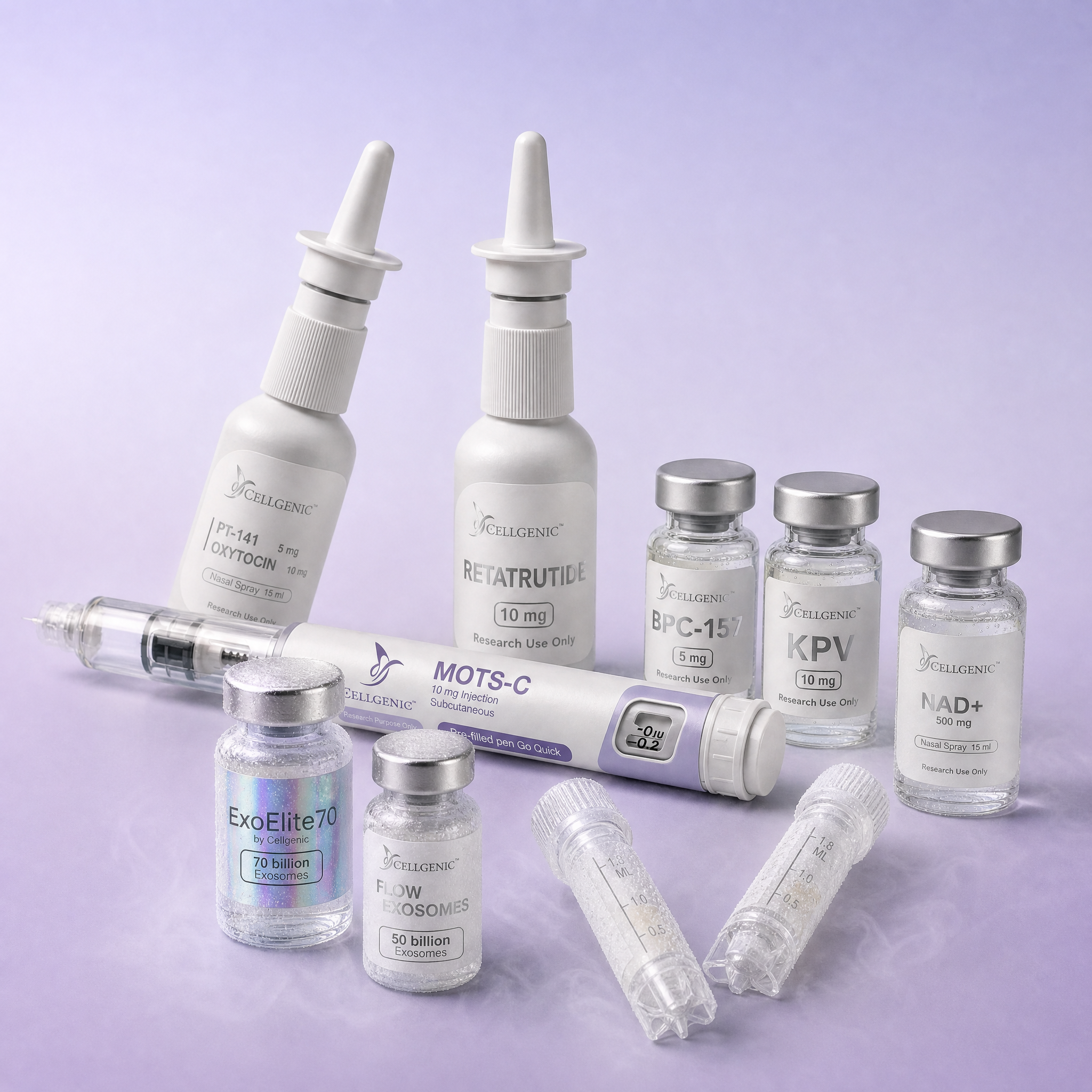
On October 28, 2026, the U.S. Department of Health and Human Services (HHS) issued an interim enforcement-discretion policy covering six substances: BPC-157, Epitalon, KPV, MOTS-c, Semax and TB-500. The notice describes the policy as a draft released for comment. It is non-binding, and it does not approve or list any of the six. It remains in place for each substance until FDA addresses it in a final rule. The HHS peptide policy puts its emphasis on lot-level documentation, while rulemaking on the bulk-substances list stays unfinished.
What Changed
The interim policy was issued on October 28, 2026, and the Federal Register notice was published on October 30, 2026. Comments are due two weeks after publication, on November 13, 2026.
These six follow a July 2026 advisory review in which FDA’s Pharmacy Compounding Advisory Committee recommended them for advancement toward the bulk-substances list. FDA’s own drug reviewers had recommended against listing all six, and the HHS appendix cites updated characterization records among its reasons for proceeding. The interim policy adds an enforcement posture while the list itself remains in rulemaking. Cellgenic’s research review of BPC-157 covers that compound in more depth.
Law-firm analysis indicates the rulemaking could run into 2027 or later.
What This Framework Is, and Is Not
Three terms get conflated easily, and each has a specific meaning here.
Approval is a determination about a specific product. The interim policy makes no such determination, and by its own terms it does not establish safety or effectiveness for any of the six substances.
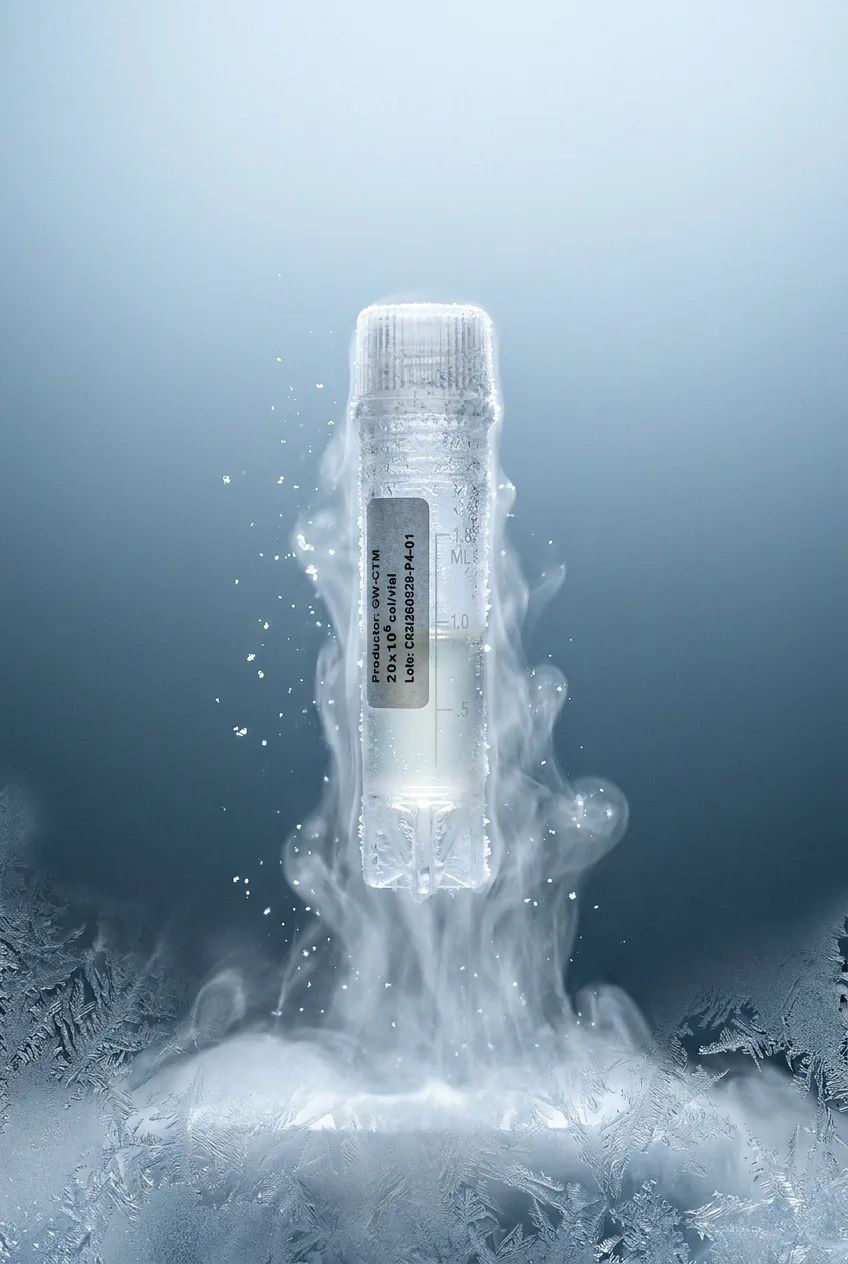
Exosome production begins with cells that release extracellular vesicles. The source cells and their growth conditions can affect Listing refers to inclusion on the bulk-substances list. The July recommendation was one step in a longer process. The rulemaking that would produce a final listing is unfinished, and no listing has occurred.
the resulting preparation.
Enforcement discretion describes how authorities intend to apply their enforcement priorities while a process continues. The interim policy sits in this category. It is non-binding and creates no rights for any party, and HHS may revisit it if a safety signal or product-quality issue arises.
Law-firm commentary cautions against reading the interim policy as legalization, since it describes enforcement intent and leaves the listing question to rulemaking. The July recommendation, the October interim policy and a final rule come in sequence, and only the last would resolve that question. Professionals making sourcing and planning decisions should keep the three apart.
Where Lot-Level Documentation Sits in the Framework
The policy puts considerable weight on documentation: a certificate of analysis for each lot, identity confirmed by orthogonal methods, an HPLC assay against a reference standard, and results for endotoxin, microbial burden, residual solvents and elemental impurities. Methods are named on the certificate.
For each of the six substances, the appendix cites a characterization record that changed materially, and in each case the change was lot-specific certificates covering results that had previously been missing. Documentation is the variable the appendix identifies as having moved.
A certificate tied to a single lot, with named methods and a stated reference standard, can be read and checked line by line. A certificate that omits those elements leaves little to evaluate.
Cellgenic makes a Certificate of Analysis available for every lot, and the batch number is the identifier used to retrieve it. Provider verification is required before ordering access unlocks. This describes Cellgenic’s documentation practice and makes no statement about how any Cellgenic material relates to the interim policy.
What This Means for Research-Use Materials
Cellgenic supplies peptides for laboratory research use only. They are intended for in vitro work and laboratory experimentation and should be handled only by licensed, qualified professionals. The HHS policy concerns compounding by licensed pharmacies and physicians, a separate activity with its own conditions.
Readers should take their own regulatory and legal guidance on how the interim policy applies to their circumstances. The policy is a draft and may change. Institutional compliance teams and qualified counsel are better placed than a supplier to interpret it for a specific organization. The peptides research category lists the materials Cellgenic supplies for laboratory use.
What to Watch
The first date to mark is the comment deadline, November 13, 2026. After that, attention shifts to FDA’s rulemaking on the bulk-substances list. A final listing would come out of that process, and the interim policy may stay the operative document in the meantime. The revisit provision can come into play at any point, since a safety signal or a product-quality issue involving any of the six could prompt HHS to reconsider the policy.
Last reviewed: October 30, 2026.
Common Questions
REGULATORY DISCLAIMER · PEPTIDES
These products are intended for laboratory research use only. They are not drugs, foods, cosmetics, or medical treatments and must not be used for any form of human or animal administration. All information provided is for educational and scientific reference only and the products should be handled exclusively by licensed, qualified professionals. Misbranding, misuse, or mislabeling of these products as therapeutic or consumable substances is strictly prohibited by law.





 Medically Reviewed By
— Written By
— Published on October 30, 2026