 Medically Reviewed By
— Written By
— Updated on September 16, 2026
On this page
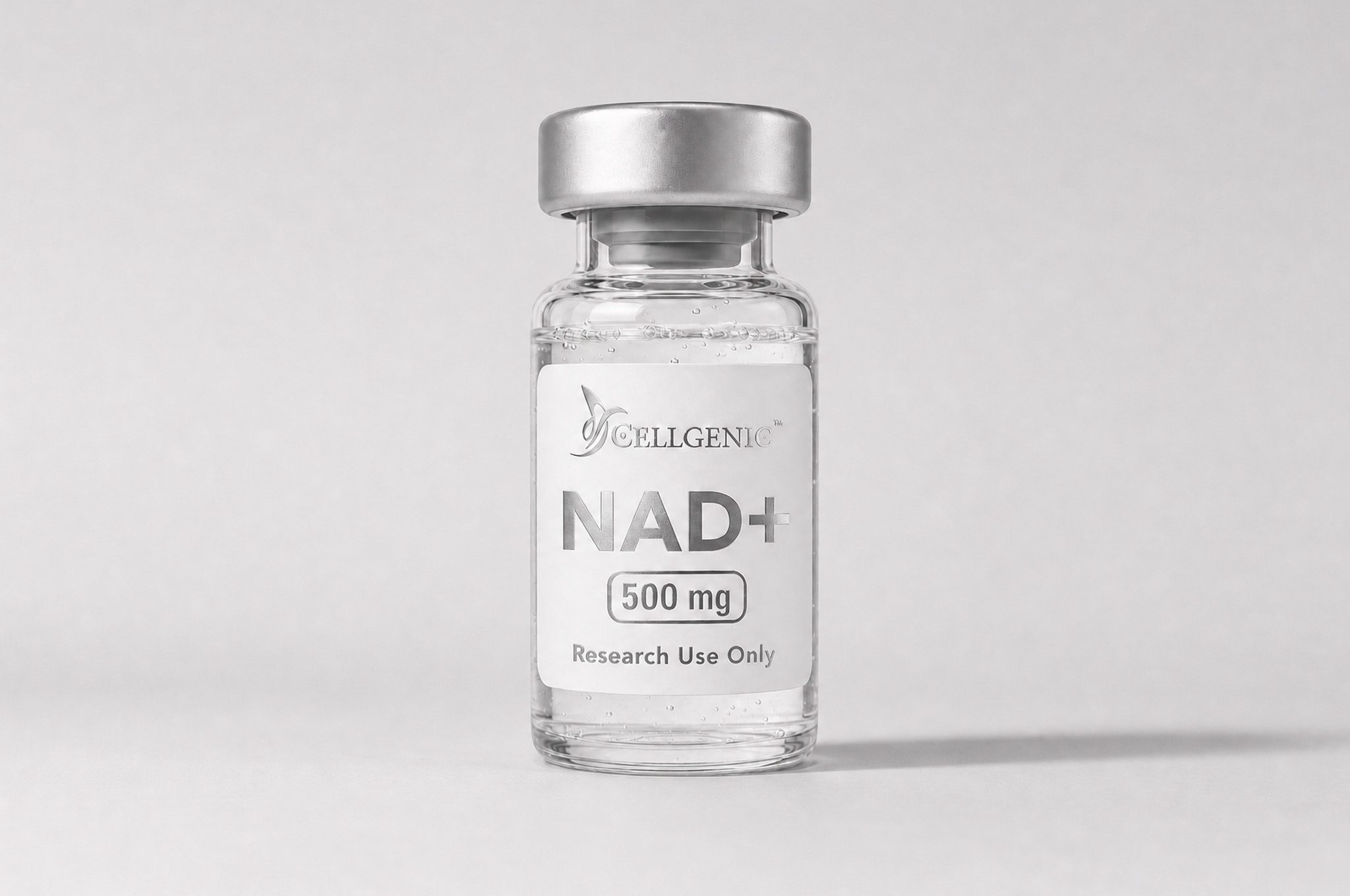
Of all the components a provider fields questions about when building an IV menu, NAD+ is the one that comes up most often before the provider has fully decided how they want to source it. The internet is full of what NAD+ supposedly does; there’s far less written for the person actually deciding whether to stock it, and on what terms. This overview is for that person.
What NAD+ is
NAD+ (nicotinamide adenine dinucleotide) is a coenzyme found in all living cells, involved in fundamental cellular processes such as energy metabolism and various enzymatic reactions. That’s the settled biochemistry, and it’s the right place to anchor a provider’s understanding: NAD+ is a naturally occurring molecule, and as an IV component, it’s supplied as a formulation input to be evaluated like any other on identity, purity, and provenance. [1,2]
What “NAD+ IV therapy” refers to, in an industry sense, is the inclusion of NAD+ in intravenous formulations offered in wellness and regenerative settings. Interest in the area is active and still developing [5]. As a provider, the durable posture is to treat NAD+ as a product to evaluate on quality and sourcing, and to let the evolving evidence base, not the label, speak to any outcomes.
Why NAD+ is the component providers ask about most
NAD+ occupies an unusual position on an IV menu: high patient awareness, high provider curiosity, and a wide range of supply quality behind it. Patients arrive asking for it by name, which puts pressure on providers to source it, and that pressure is exactly when sourcing shortcuts happen. The volume of demand is precisely why the quality question deserves more attention here, not less.
What to verify before stocking NAD+
- Identity and purity, documented. Is the NAD+ characterized identity confirmed, purity measured and reported per batch rather than as a generic claim?
- A batch-specific Certificate of Analysis. Measured values for the lot you received, shipped with the product, not offered “on request.”
- Sterility and endotoxin testing. For anything destined for an IV formulation, sterility and endotoxin data tied to the batch are non-negotiable. [4]
- Manufacturing standard. Is the component produced in a controlled facility to a defined standard such as cGMP, and does the supplier manufacture it or resell it?
- Handling and stability. What are the storage and cold-chain requirements, and does the supplier document them?
A supplier who clears this list is giving you what actually matters for a component going into an IV: the ability to account for it. CellGenic tests per batch across five assays: sterility, endotoxin, mycoplasma, identity, and potency, and ships the COA in the box; whether or not you source from CellGenic, that’s a reasonable bar for any IV formulation input. The science behind the testing and the single-lab manufacturing model explains why proof-by-default is achievable. [7]
Why "on request" documentation is the tell
Sourcing NAD+ within a broader formulation strategy
NAD+ rarely sits alone on a menu; it’s usually one component within a wider set of IV and regenerative formulations that a practice offers. That’s an argument for consolidating verifiable supply rather than assembling a patchwork of resellers: one accountable source across components is easier to stand behind than a different origin for each vial. You can browse the product range by category or the formulation range to see how components sit within a single documented catalog.
The overview, distilled
NAD+ is a naturally occurring coenzyme and, as an IV component, a formulation input to be judged on identity, purity, and documentation, not on the outcome language that surrounds it. Its popularity is the reason to source it carefully, not casually: a high-demand component stocked without verification simply spreads the risk further. [1,2,5]
If you’re adding NAD+ to your IV offering and want a component that arrives with a batch-specific COA and sterility data from the lab that made it, browse the product catalog or verify your provider credentials to access provider pricing and batch documentation.
This content is provided for professional, educational purposes for verified providers and does not constitute medical advice. It does not diagnose, treat, cure, or prevent any disease, and makes no claims about clinical outcomes. Products described here have not been evaluated or approved by the FDA for the uses discussed. Providers are responsible for compliance with the laws and regulations of their jurisdiction. (Confirm final disclaimer wording with counsel before publication.)
Frequently Asked Questions
No. Both are designated for research use only and have not been evaluated or approved by the FDA for human use.
References
- Covarrubias AJ, Perrone R, Grozio A, Verdin E. NAD+ metabolism and its roles in cellular processes during ageing.Nature Reviews Molecular Cell Biology. 2021;22:119–141. Available from: PMC Full Textpmc.ncbi.nlm.nih
- Katsyuba E, Rombeau I, Vuichard Vincenti S, Auwerx J. NAD+ homeostasis in health and disease. Nature Metabolism. 2020;2:9–31. Available from: Nature Full Textnature
- U.S. Food and Drug Administration. FDA reminds compounders to use ingredients suitable for sterile compounding. FDA, 2024. Available from: FDA Safety Communicationfda
- U.S. Pharmacopeia. General Chapter <797>: Pharmaceutical Compounding—Sterile Preparations. Standards concerning sterile compounding, environmental controls, sterility, endotoxin testing, and preparation of injectable compounded sterile preparations. Available from: USP <797> Informationpages.usp
- NAD⁺ supplementation for anti-aging and wellness: current evidence and clinical considerations. PubMed. 2026. Available from: PubMed Recordpubmed.ncbi.nlm.nih
- U.S. Food and Drug Administration. Compounding and the use of ingredients suitable for sterile drug products. FDA guidance concerning microbial contamination, endotoxin risk, and the use of ingredients intended for sterile compounding. Available from: FDA Sterile Compounding Guidancefda
- CellGenic. The Science Behind Testing. Supplier-provided information concerning testing of research-use products. Available from: CellGenic Science Page