
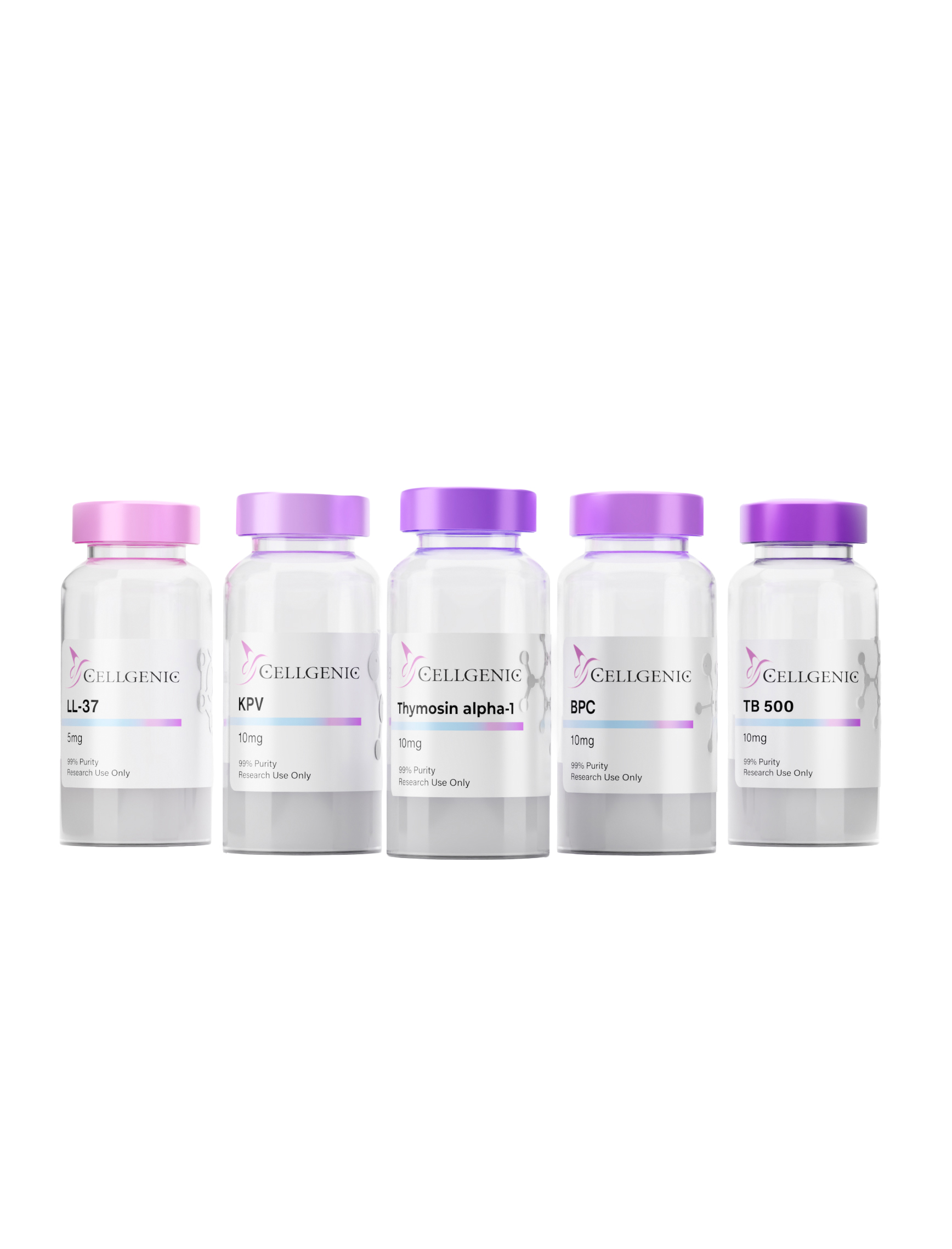
Thymosin Alpha-1 (TA1)
Mechanism: A thymic peptide that functions as a Biological Response Modifier (BRM). It enhances the maturation of T-cells (CD4+/CD8+) and upregulates the expression of Major Histocompatibility Complex (MHC) Class I surface molecules. This improves the immune system’s ability to identify and eradicate viral pathogens and senescent cells, shifting the immune response from a Th2 (allergic/autoimmune) to a Th1 (defense) dominance.
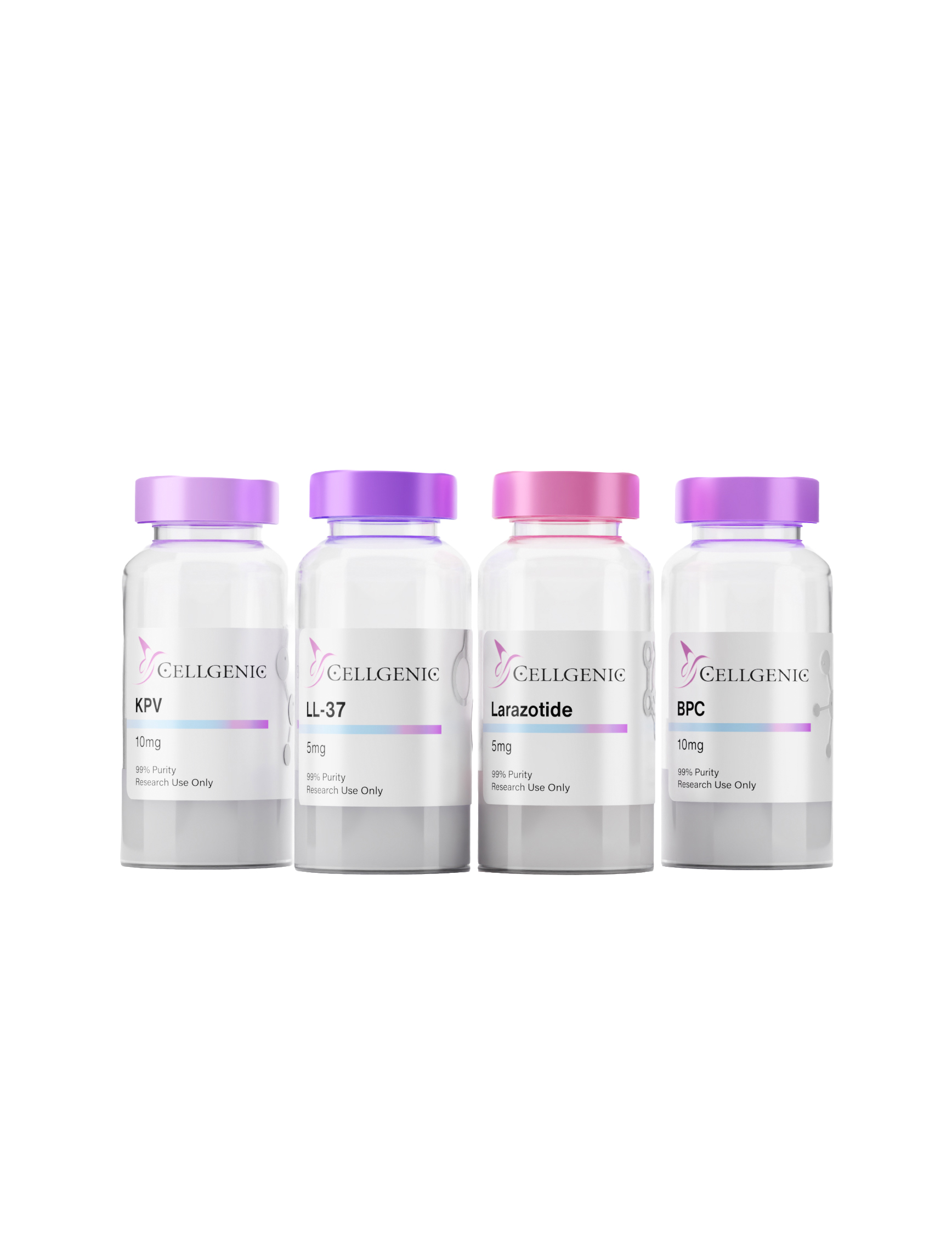
LL-37 (Cathelicidin)
Mechanism: A C-terminal peptide of the human cathelicidin protein (hCAP18). LL-37 exhibits broad-spectrum bactericidal and fungicidal activity. Its primary clinical value in this protocol is its ability to penetrate and disrupt microbial biofilms—the protective extracellular matrix that bacteria/fungi create to resist antibiotics. It also binds and neutralizes lipopolysaccharides (LPS/Endotoxins), mitigating septic/inflammatory responses.
KPV (Lysine-Proline-Valine)
Mechanism: A tripeptide fragment of $\alpha$-MSH. KPV exerts significant antimicrobial activity, particularly against Candida albicans and S. aureus. Concurrently, it inhibits the NF-$\kappa$B inflammatory pathway and stabilizes mast cells, reducing the systemic histamine release and “sickness behavior” often associated with mold toxicity and chronic infections.
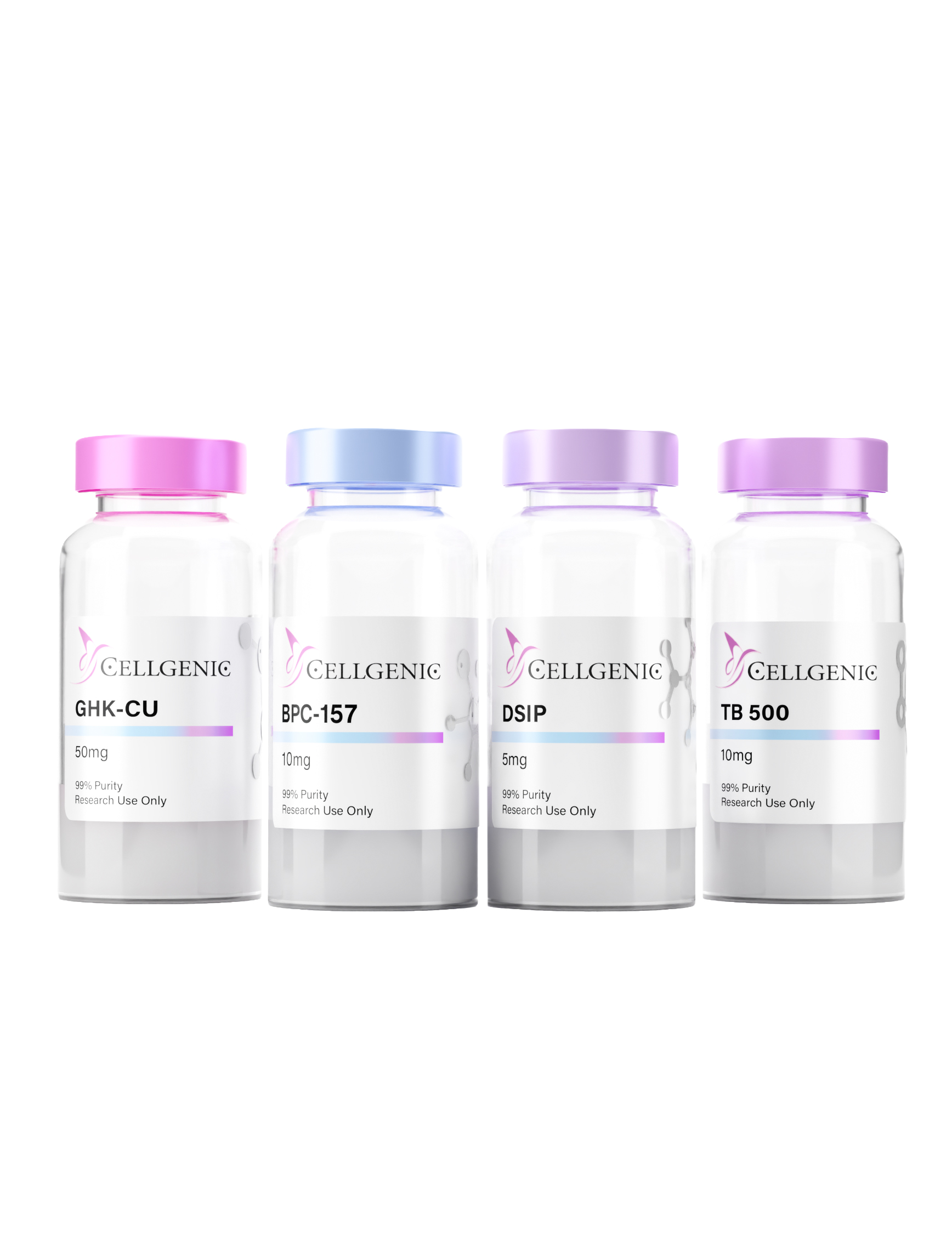
BPC-157 (Body Protection Compound)
Mechanism: BPC-157 accelerates the healing of soft tissue by stimulating the NO-cGMP pathway. It promotes angiogenesis (formation of new capillaries) to restore blood flow to damaged or infected tissues and recruits fibroblasts for granulation tissue formation. It also plays a critical role in restoring the integrity of the gut-immune barrier, preventing endotoxin translocation.
TB-500 (Thymosin Beta-4)
Mechanism: Correction from source text: TB-500 binds to actin, a fundamental building block of the cell cytoskeleton. It facilitates cell migration (chemotaxis) to the site of injury, allowing endothelial cells and keratinocytes to move efficiently to close wounds. It also modulates TGF-$\beta$, helping to reduce scar tissue formation and fibrosis (essential for preventing capsular contracture).