
Products
Coming 2026
Products
Grow With CellGenic
PEPTIDE DOSE: Select dose
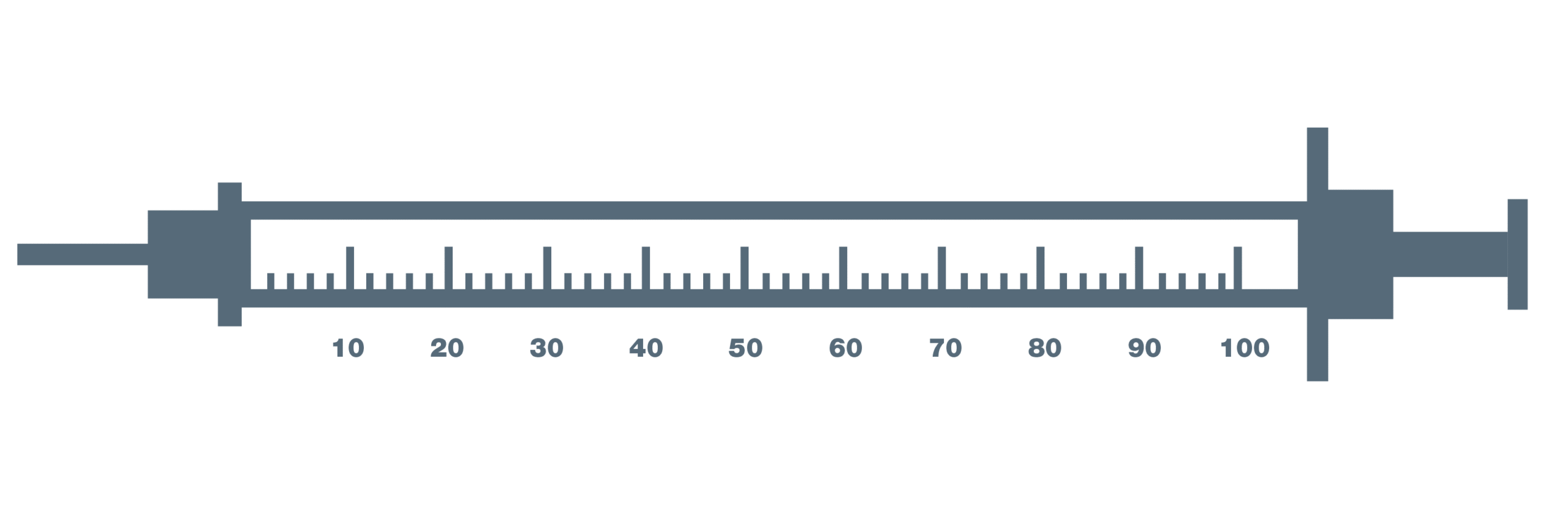
DRAW SYRINGE TO: Select values
YOUR VIAL CONTAINS: Select values
CONCENTRATION: Select values
Be the first to see new studies, regulatory decisions, and industry updates
Verify your license and provider pricing, per-batch certificates of analysis, and ordering appear in your account.
Become a verified provider →Our peptide calculator simplifies the process of determining the correct peptide dosage. Follow these steps for accurate results.
Choose the desired dose in micrograms (mcg). This is the amount of peptide you plan to inject each time. Enter this value into the calculator.
Enter the amount of peptide in your vial. Common amounts include 1mg, 5mg, 10mg, or 15mg. You can also input a specific amount if it’s not listed.
Enter the volume of bacteriostatic water (in milliliters, mL) used for mixing. The volume of water you add affects the concentration of the peptide solution.
After entering the above information, the calculator will show a visual meter indicating the exact amount of solution to draw up in your syringe for the correct dose.
It depends on the compound and on whether the vial has been reconstituted. Freeze-dried peptide is generally more stable than peptide already in solution. Follow the storage conditions in the documentation supplied with the vial, and check that the cold chain held in transit.
Peptides are used for various purposes including skin care, muscle growth, weight loss, hair growth, bone health, and enhancing testosterone levels.
Peptides function as signaling molecules in the body, helping to regulate processes such as healing, muscle building, and metabolism.
To calculate peptide dosage, you need to know the amount of peptide powder, the volume of water used for dilution, and the desired dose. A peptide calculator can help simplify this process.
The amount of water to mix with peptides depends on the desired concentration. Typically, bacteriostatic water is used, and the volume can range from 1mL to 10mL depending on the specific requirements.
Peptide content is determined by calculating the concentration of the peptide solution, which involves knowing the total amount of peptide and the volume of the solution.
No, peptides are not steroids. They are short chains of amino acids that can have various biological functions, while steroids are a different class of compounds with distinct effects.
Side effects of peptides can vary but may include allergic reactions, injection site reactions, and other individual-specific effects. It’s important to consult with a healthcare professional before starting peptide therapy.
Peptide hormones work by binding to specific receptors on the surface of target cells, initiating a cascade of intracellular events that result in the desired biological effect.
The best peptide for weight loss depends on individual needs and goals. Peptides like CJC-1295 and Ipamorelin are commonly used for their potential weight loss benefits.
Yes, peptides can generally be used with retinol in skincare routines. They can complement each other by promoting collagen production and skin rejuvenation.
Peptide injections are generally considered safe when administered correctly and under medical supervision. However, it’s important to follow proper protocols and consult with healthcare professionals.